
Mill Lane Garden Centre Building Condition Appraisal
Location: West Hampstead, London UK
Client:Thera Trust
Method: Original construction based on the Walter Segal method
Status: In progress since 2024

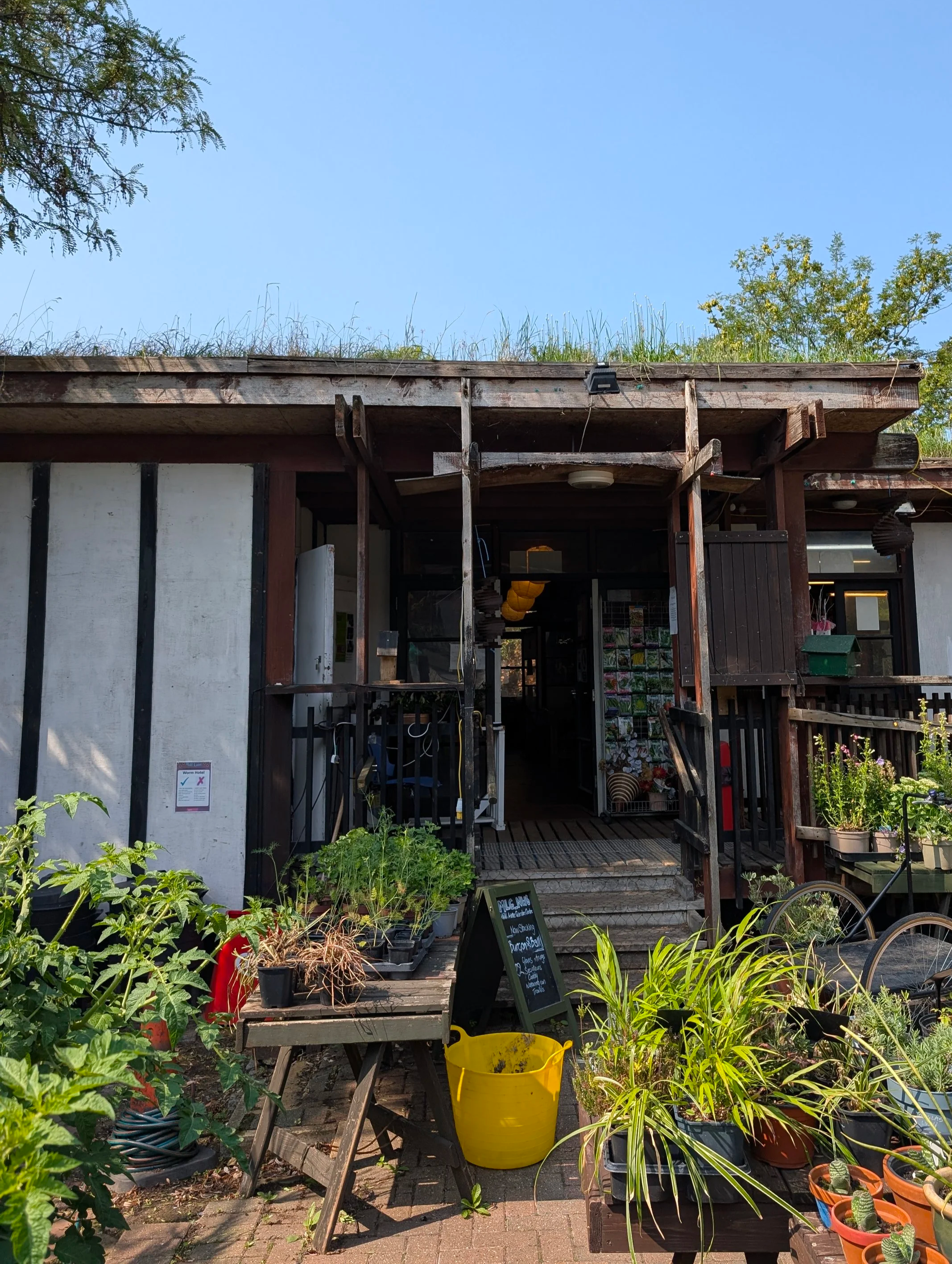
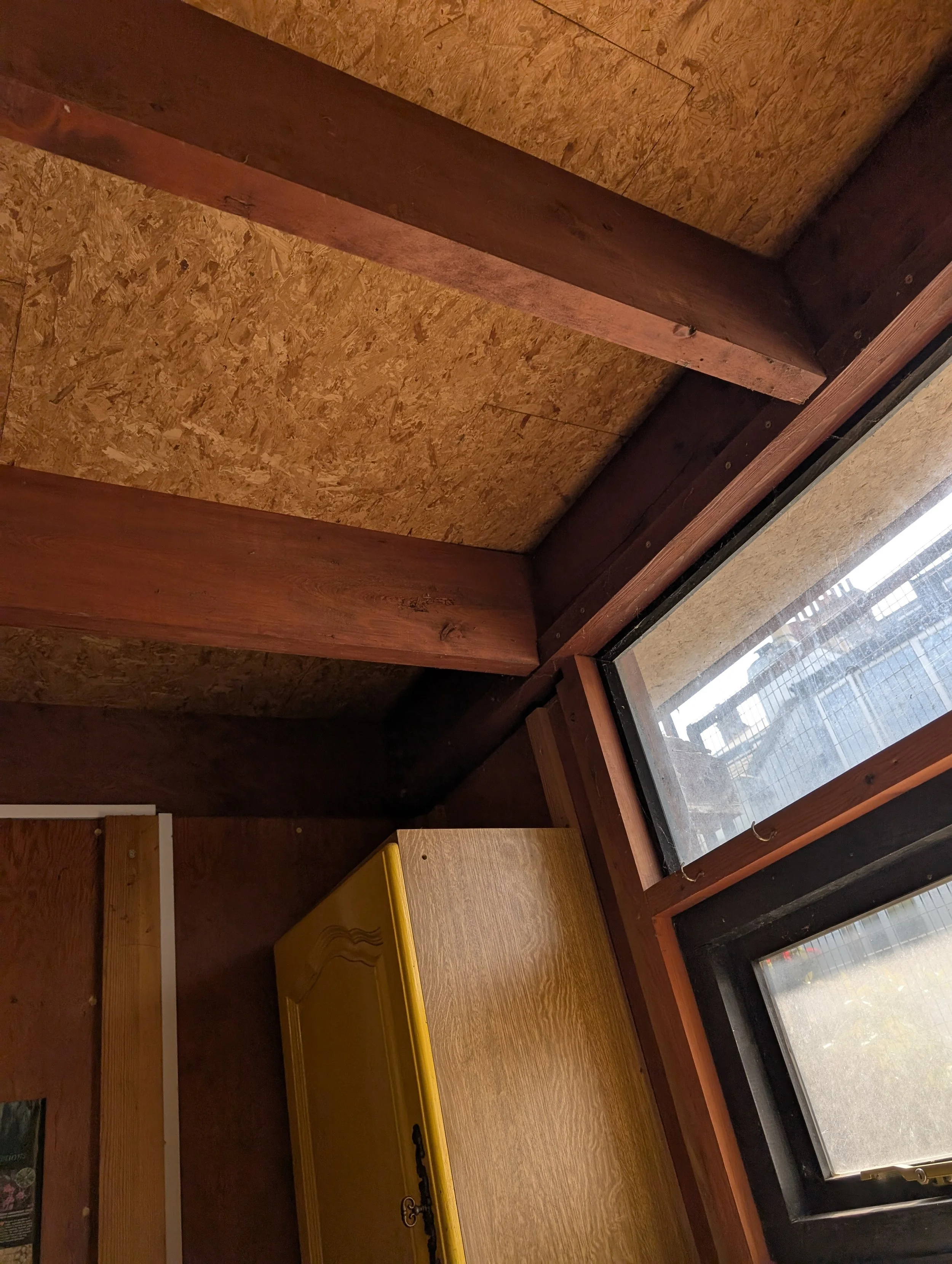
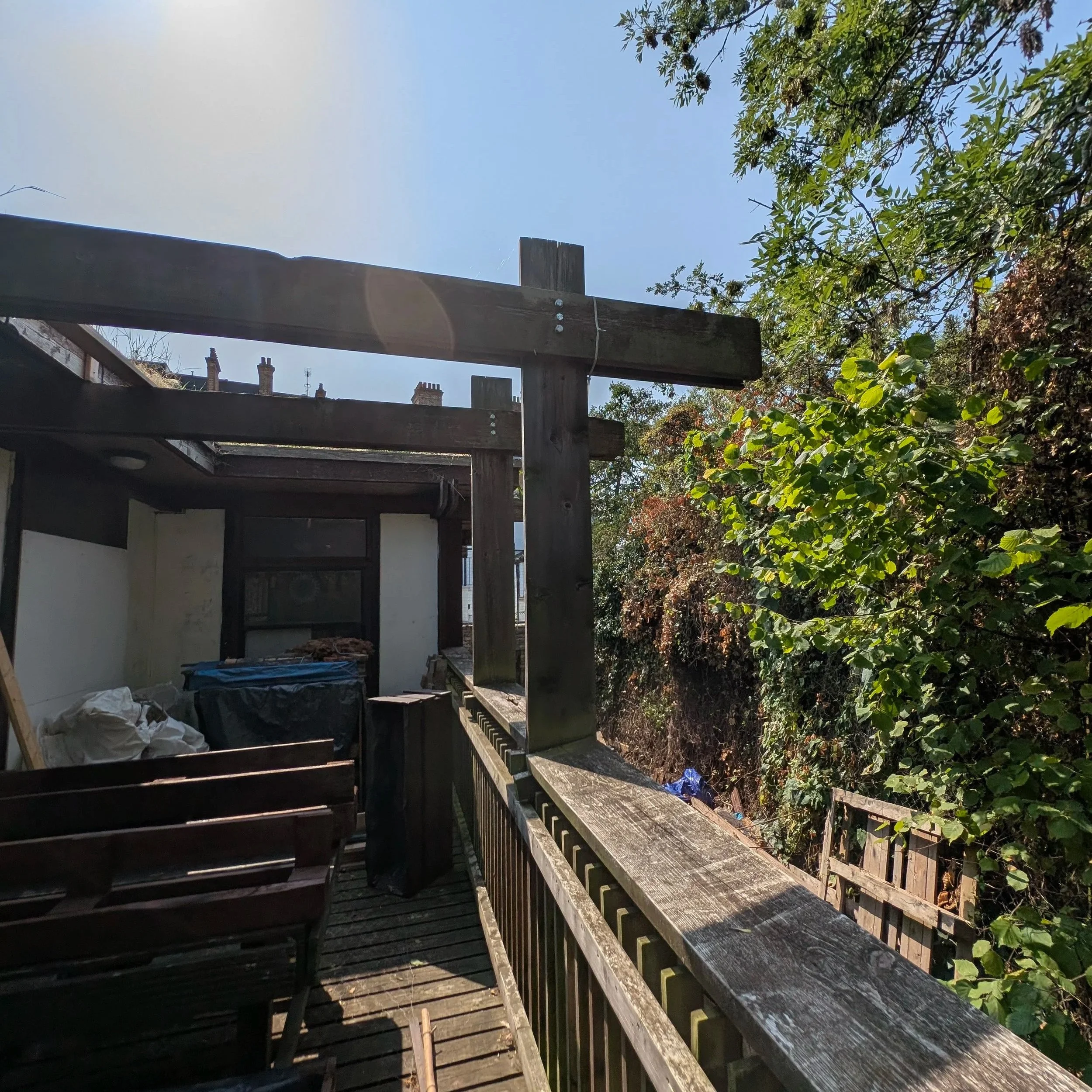
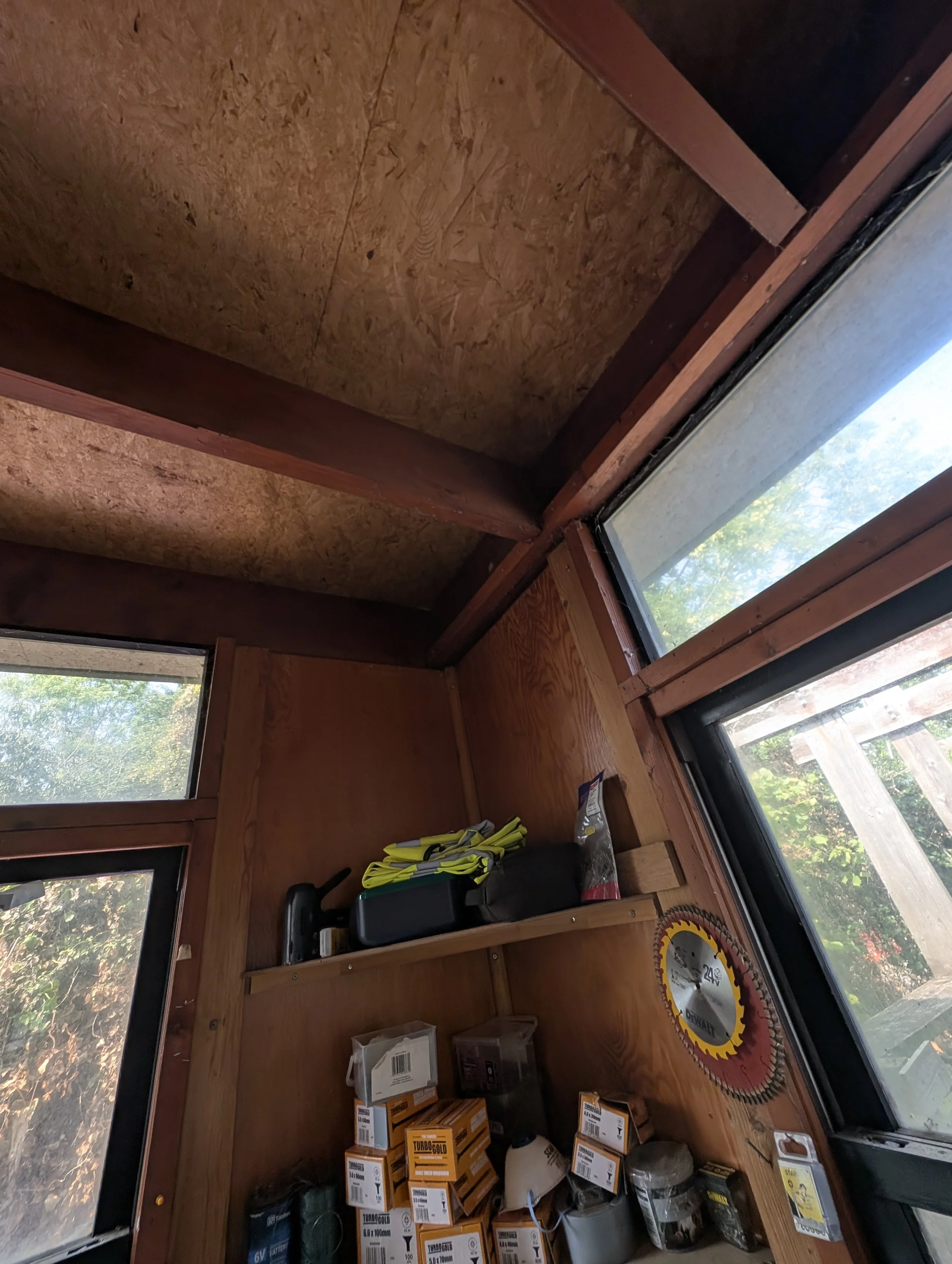
This project represents a unique opportunity to preserve a piece of London’s architectural heritage. By applying modern structural appraisal techniques to a historic self-build structure, we are helping a community-focused client extend the life of a sustainable asset rather than opting for carbon-heavy demolition.
Project
The Mill Lane Garden Centre is a single-storey timber-frame building constructed in 1992 using the Walter Segal self-build method. This approach, known for its modularity and accessibility, created a lightweight structure that has served as a community hub for over three decades. Matter provided a detailed condition appraisal and structural inspection to determine how the building can safely remain in use for the medium term. Our work focused on identifying localized decay while confirming the overall stability of the primary timber frame.
Brief
Matter was appointed to carry out a visual inspection and coordinate a specialist timber survey to report on the building's current state. The project aims to:
Provide advice regarding any immediate structural risks to the building and its users.
Propose a pragmatic repair and maintenance strategy to enable the building to remain in use for the next 5 to 10 years.
Identify opportunities for the client to carry out cost-effective, non-specialist maintenance independently.
Challenges
Lack of Original Records: No original structural drawings were available, requiring us to use historical construction diagrams and on-site visual evidence to understand the load paths.
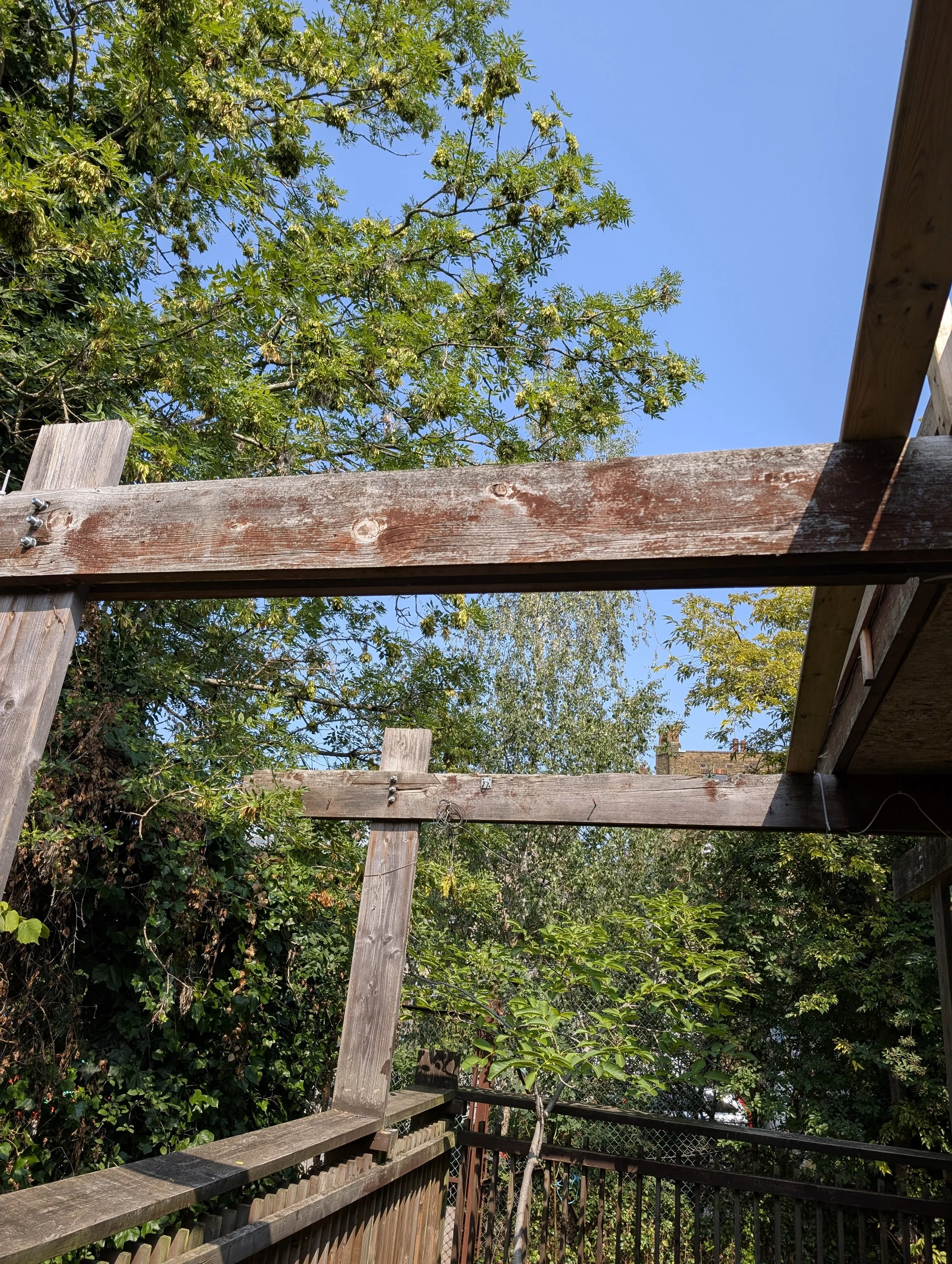
Environmental Exposure: Decades of weathering had caused localized wet rot in external secondary structures, including decking and pergolas.
Underground Access: Limited visibility of the floor joists and certain foundation elements necessitated a cautious approach to inspection.
Solution
Specialist Timber Survey: Partnering with Timberwise to identify specific areas of decay and provide a targeted quotation for resin-based repairs.
Stability Confirmation: Verifying that the primary structural posts and foundations remain in good condition, ensuring the building’s overall integrity.
Prioritised Remediation: Developing a four-tier classification system (Essential, Recommended, Ongoing Maintenance, and Optional) to help the client manage their budget effectively.
Moisture Management: Identifying roof leaks and plumbing-related damp to be addressed before they impact the primary timber frame.
Long-term Durability Strategy: Recommending a five-year cycle for protective staining to prevent future weathering and extend the life of the timber facade.
