
Sustainable Social Housing for Greenwich
Location: Greenwich, London UK
Client: Royal Borough of Greenwich
Architects: Haptic Architects, Stephen Taylor Architects
Status: In progress since 2024
This project marks an exciting milestone: our first public tender win. The Council has empowered local, women-led, and sustainability-driven businesses like ours to participate and make a meaningful impact. This approach is reflected in the social value outcomes we measure across our projects.
Project
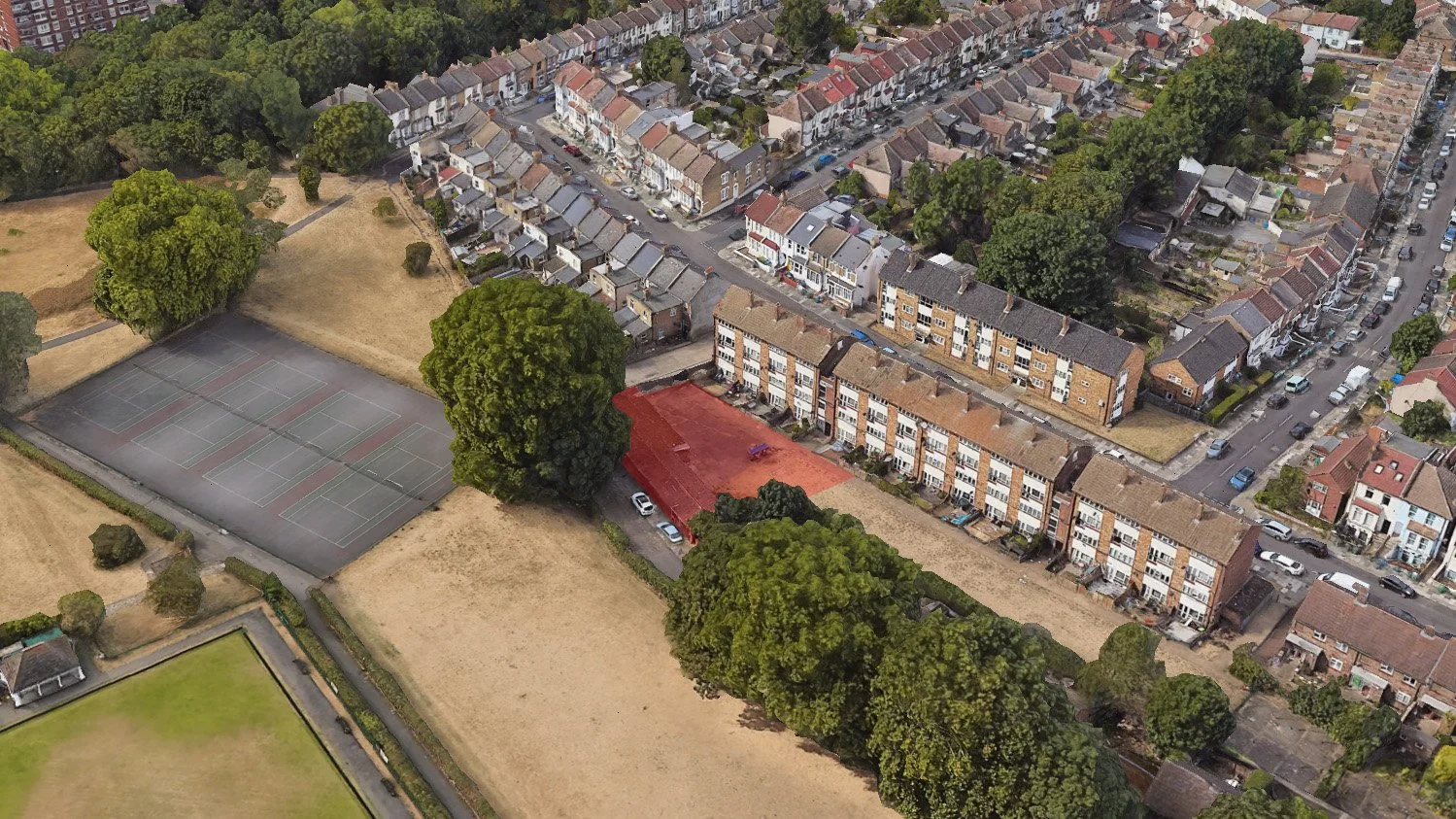
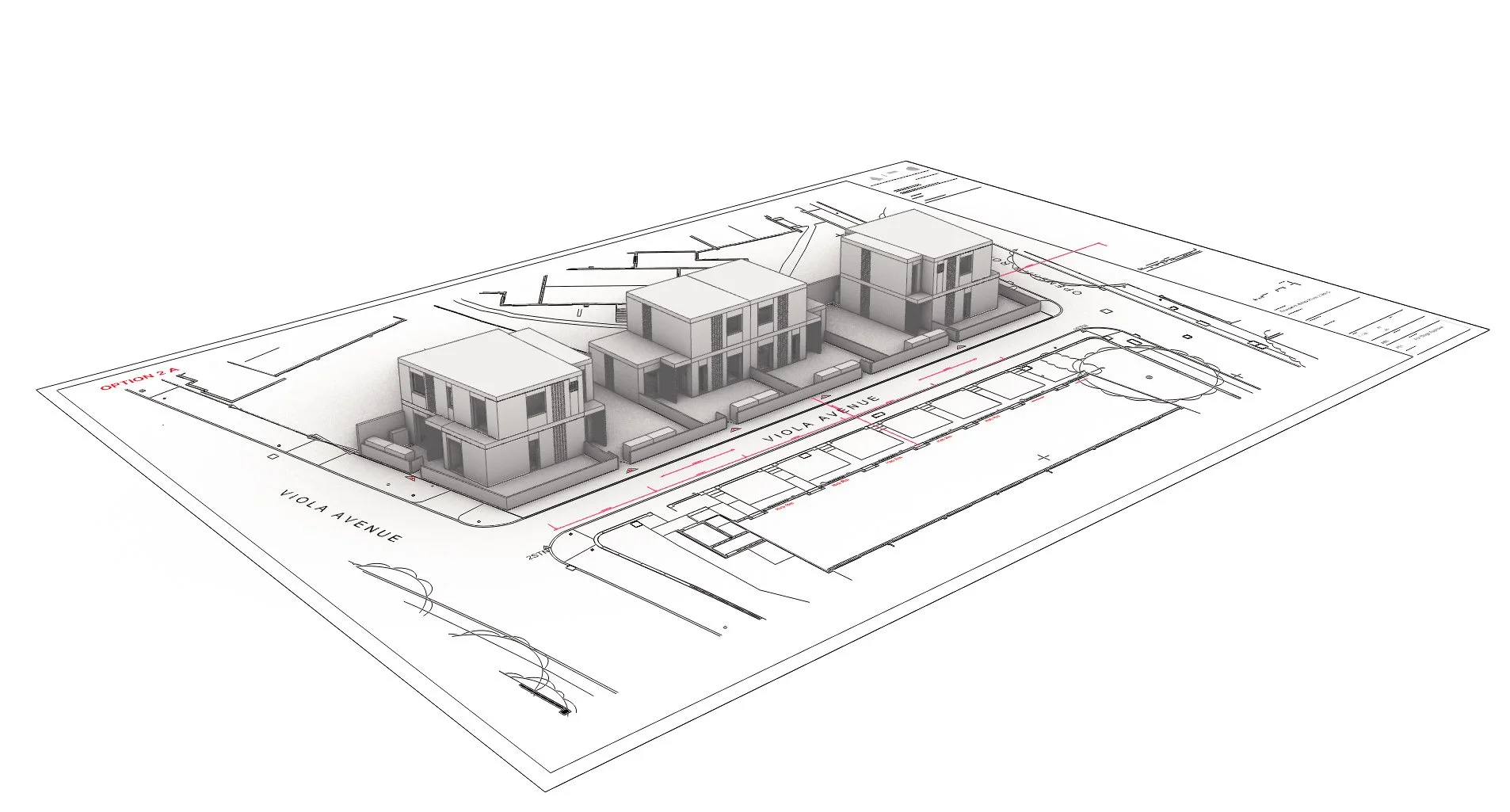
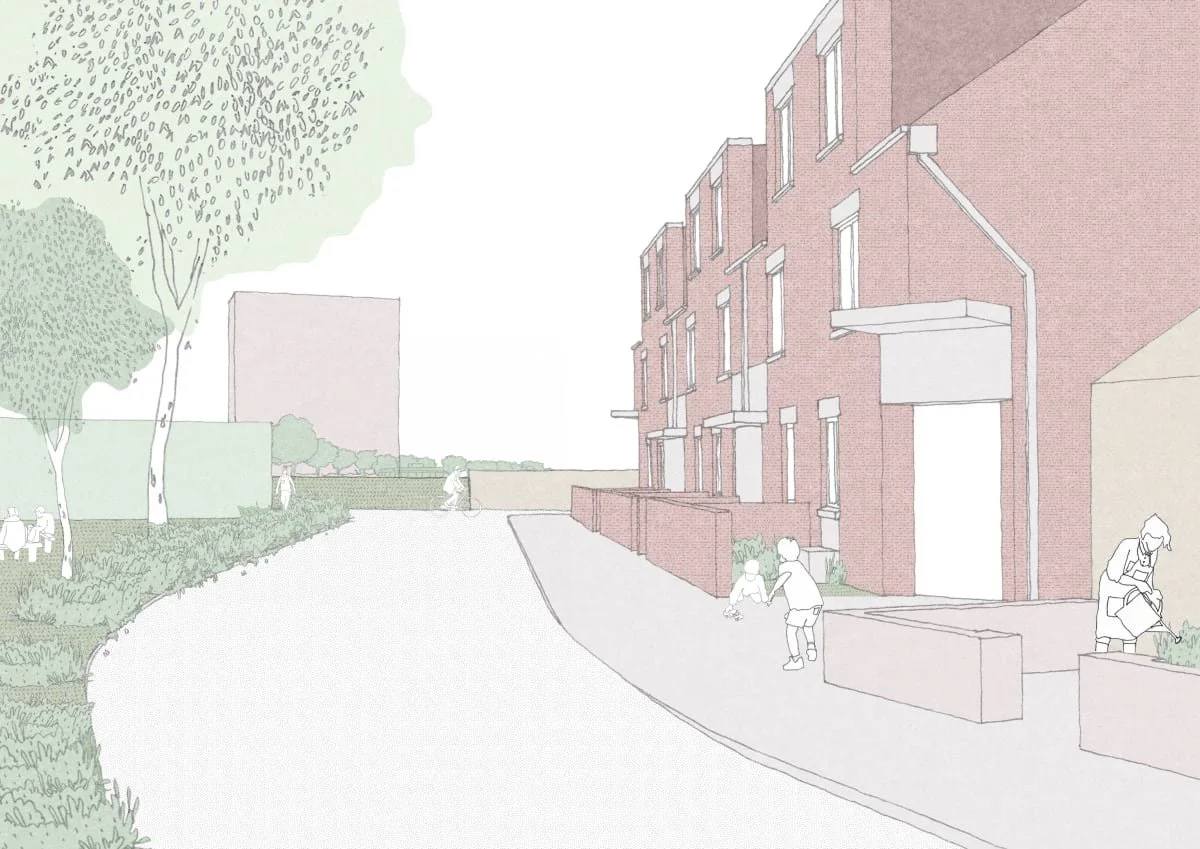
This project delivers new affordable homes in Greenwich, designed for the people who live, work, and grow in the community. Matter provided structural engineering expertise, focusing on low-carbon, durable, and flood-resilient design to create long-term value for residents and the local authority.
The development integrates sustainable practices at every stage, ensuring both social and environmental benefits.
Brief
Matter was engaged to deliver sustainable structural engineering solutions that align with the architects’ design intent and the Royal Borough of Greenwich’s requirements for public sector, community-led housing.
The project aims to:
Provide affordable, resilient homes for local residents
Reduce carbon emissions and environmental impact through design choices
Enable skill development for emerging engineers through hands-on project experience
Challenges
Delivering low-carbon, flood-resilient design within public sector budget constraints
Coordinating multiple stakeholders including architects, contractors, and the council
Ensuring sustainability measures could be practically implemented on-site while maintaining structural performance
Solution
Reduced concrete foundations: Replacing traditional strip footings with micro-piling using recycled materials — cutting embodied carbon and installation time.
Low-carbon materials: Specifying sustainable engineering blockwork to minimise emissions.
Timber LVL structures: Reducing reliance on steel beams, achieving both cost savings and carbon reduction.
Flood-resilient design: Integrating flood risk assessments and sustainable drainage systems (SuDS) to future-proof the development.
Optimised structural weight: Lighter designs reduce the number of piles required, further minimising environmental impact.
